


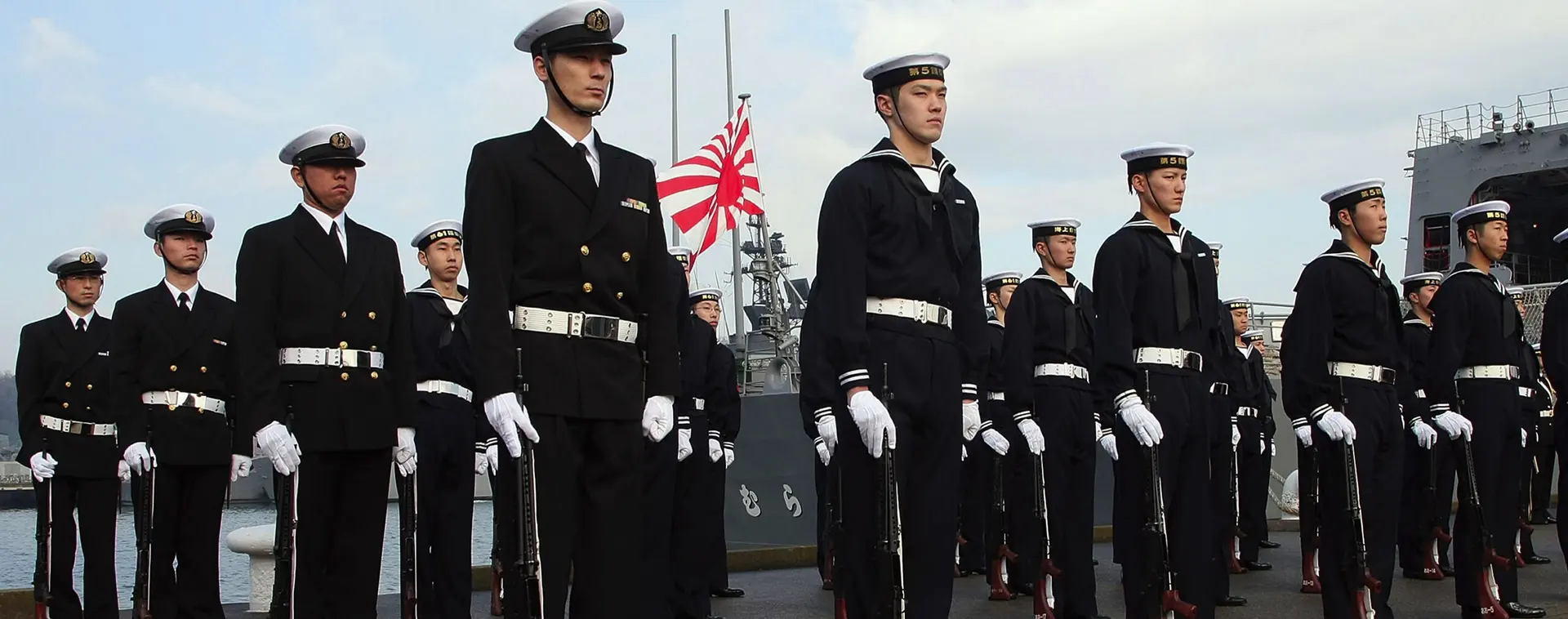
War with Iran Restricts U.S. Options in East Asia
The U.S. industrial base, like the budget, is limited, and the weapons sent and used in one area cannot be used to project power in another. The recent decision of the administration of US President Donald Trump to transfer components of an air defense system from South Korea to the Middle East confirms this basic fact. It also shows that U.S. involvement in the war with Iran, rather than hurting China, could drag the United States into a new quagmire in the Middle East and distract attention from strategic competition in Asia.
The end of Barack Obama's administration marked the beginning of what was then considered a "shift towards Asia," and the Trump administration later understood the Chinese threat more clearly than in the run-up to 2016. Trump included a team of hard-liners toward China, who saw the need to commit seriously to East Asia and work in return to end wars in the Middle East, which led to an agreement to end the war in Afghanistan.
Withdrawal from Afghanistan was a rare goal shared by both Trump and his successor, Joe Biden, as the latter implemented the decision after two decades of military presence, with his long-held skepticism about the feasibility of war. There seemed briefly to be a bipartisan consensus that the future of American hegemony lay in East Asia, and that the Middle East should no longer be the focus of foreign policy.
But that consensus collapsed after years of renewed conflicts in the Middle East, especially following Hamas's attack on Israel in October 2023, and especially after Trump's decision to go to war with Iran in late February. And the “shift to Asia” seems as elusive as it was in the early millennium.
But there is an important difference: Back then, the United States had a surplus of economic and political resources, and today it faces the rise of China, its first competitor since the Cold War, if not since the end of World War II. The era of unipolarity is effectively over.
This reality requires relying on allies in Asia, who in turn need a serious U.S. commitment, especially if the goal is to counterbalance China’s influence as a rising regional power. But Washington's actions over the past month do not boost the confidence of its allies.
The amphibious assault ship USS Tripolitania, along with about 2,000 Marines, was moved from Japan to the Strait of Hormuz, missile destroyers were sent to the Arabian Sea, and the aircraft carrier USS Abraham Lincoln was moved from the South China Sea to the Gulf of Oman. In addition, parts of the THAAD air defense system have been transferred from South Korea, as well as an expected request from the Pentagon for Congress to approve some $200 billion in funding for military operations.
The THAAD system is one of the most prominent examples of this trend. When South Korea agreed to host it, it faced significant diplomatic and economic pressure from China, which warned of deteriorating relations and encouraged a boycott of Korean products, which negatively affected the economy and tourism. Less than a decade later, those costs appear to have made no tangible gains, especially with parts of the system being withdrawn, which Seoul has opposed.
Such developments are prompting Asian countries to rethink deepening their partnerships with the United States.
And as this uncertainty grows, Washington’s options in Asia are shrinking: the more it consumes military resources in the Middle East, the less it can project power in East Asia. Production of defense systems is limited, and once manufactured, they can only be deployed in one location.
By deploying this amount of resources in the Middle East, the United States is sending the message that it is not prioritizing Asia, leading allies and adversaries alike to question how ready Washington is for any potential conflict with China.
In the words of former Secretary of Defense Donald Rumsfeld: “You go to war with your industrial base, military power, and allies, not with what you wish to have.”
And while the industrial base could expand in the future, that does not eliminate the need to make difficult decisions about foreign policy priorities. And so far, U.S. leaders seem to be focusing on the challenges of the past rather than preparing for the challenges of the future.

The Iraqi Institute for Dialogue, the logistical sponsor of the Baghdad International Book Fair, opens its own pavilion at the fair

The Iraqi Institute for Dialogue publishes "The Diplomatic Portfolio" by Dr. Karrar Al-Badiri
Official agreement between Iraqi Institute for Dialogue and the Iraqi Media Network to sponsor The Seventh Annual International Conference of “Baghdad Dialogue” 2025
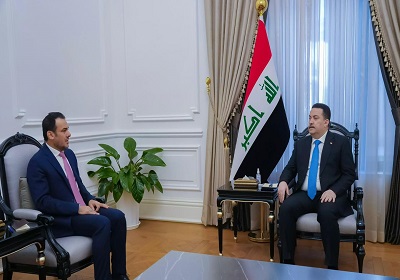
Prime Minister: The path of development will make Iraq a regional political and economic powerhouse

Invitation to the 79th issue of Dialogue of Thought
Seventh Baghdad International Dialogue Conference Call for Papers
Praise for the Baghdad International Dialogue: Strengthening Iraq's pivotal role and a meeting point for visions
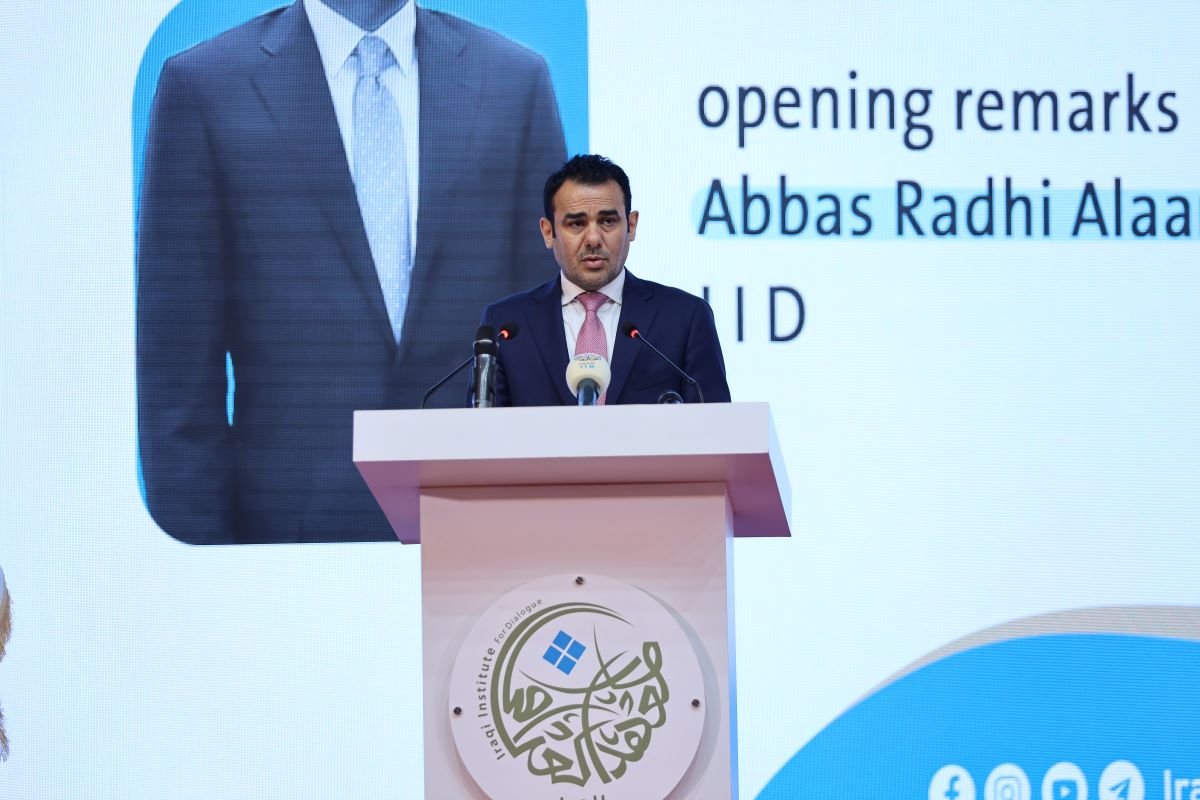
Comments